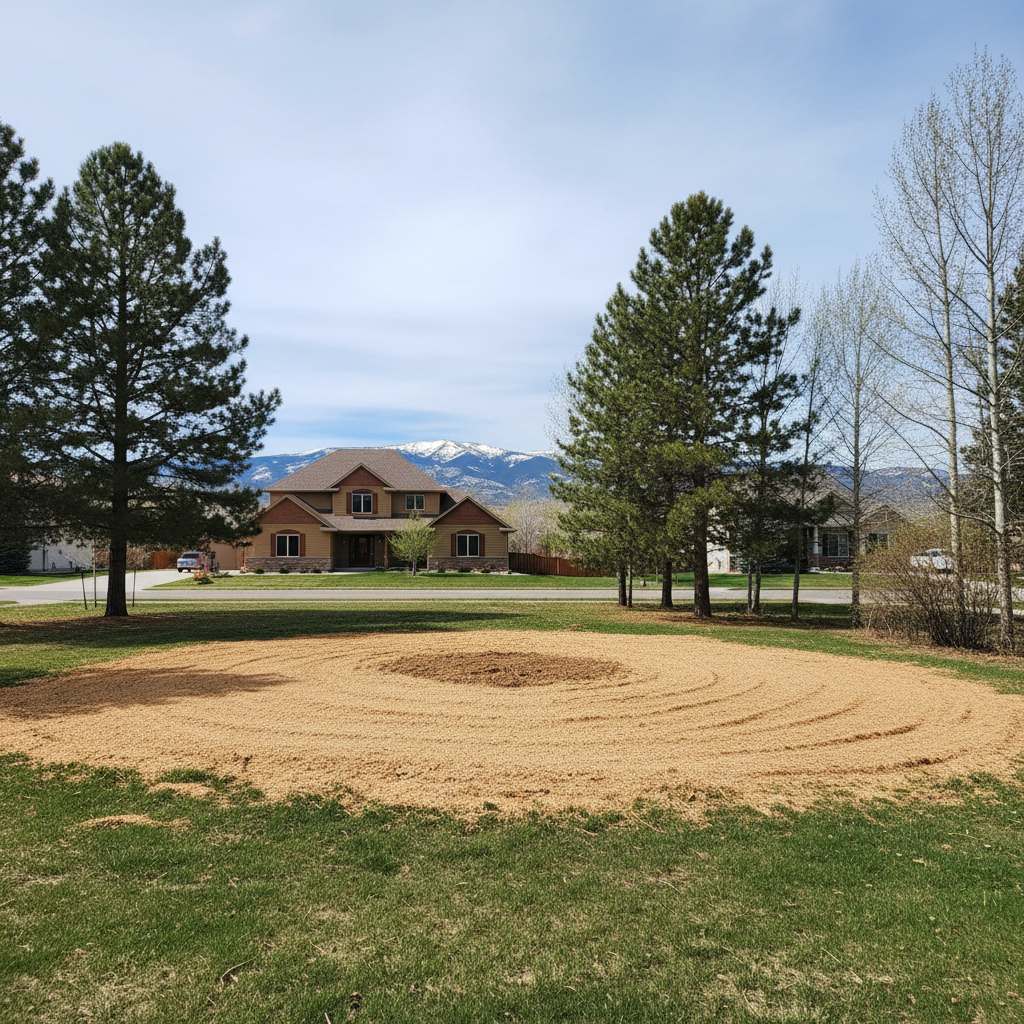
So, you've had a tree come down, maybe from one of our notorious Laurel windstorms or a heavy snow, and we or another crew came out and got it off your house, driveway, or fence. That's the emergency part. But what happens after the emergency removal? You might think the job's done, but there's a bit more to it if you want to keep your property safe and healthy in the long run. I've seen plenty of folks think the hard part's over, only to run into issues down the road.
What's 'Extending the Life of the Work' Mean?
When we talk about extending the life of the work, we're not just talking about the stump – though that's part of it. We're talking about the whole area where that tree used to be. The goal is to make sure that spot recovers well, doesn't cause new problems, and integrates back into your landscape without becoming a hazard or an eyesore. If you had a stump ground, you want that area to be ready for new grass or plants without sinking or creating drainage issues. If it was a partial removal, you want the remaining tree to be stable and healthy.
Regular Maintenance After a Tree Removal
Okay, so the big, dangerous part is gone. Now what? Regular maintenance really depends on what kind of removal happened. If it was a full tree removal with stump grinding, your main job is to monitor that area. The grindings will settle over time, especially with our spring thaws and heavy rains. You might need to add more topsoil or fill dirt to keep it level with the rest of your yard. This prevents tripping hazards and makes it easier to mow. You don't want a big depression where water can collect, especially with our clay soils around Laurel. That's just asking for soggy spots and potential foundation issues if it's too close to your house.
If we removed a large limb or part of a tree, you've got a different kind of maintenance. You need to keep an eye on the remaining tree. Look for new sprouts, often called 'suckers' or 'water sprouts,' growing rapidly from the cut areas or the trunk. These are usually weak and can break easily, creating future problems. Pruning these off when they're small is a good idea. Also, make sure the tree is getting enough water, especially during our dry summer spells. A stressed tree is a weak tree.
Warning Signs You Shouldn't Ignore
This is where you really need to pay attention. After a removal, your property isn't magically immune to future issues. Here are some things to watch for:
- Sinking or Uneven Ground: If the stump grind area starts to sink significantly, it means the organic material is decomposing, and it needs more fill. A sudden dip can be a trip hazard or a water collector.
- New Cracks in Driveways or Foundations: Sometimes, even after a stump is ground, large roots can still be in the ground. As they decompose, they can create voids that lead to settling and cracking in nearby structures.
- Fungus or Mushrooms: Seeing a lot of mushrooms or other fungal growth around the old stump area or on the remaining tree? That's a sign of decay. It means there's moisture and decomposing wood, which can weaken the soil structure or the tree itself.
- Excessive Sprouts on Remaining Trees: If a tree was partially removed and it's putting out a ton of weak, fast-growing shoots, it might be stressed or trying to recover poorly. These aren't usually good, strong branches.
- Pest Infestations: Dead or decaying wood is a magnet for pests like carpenter ants, termites, or borers. If you see signs of these around the old removal site or on the remaining tree, it's a red flag.
- Changes in Soil Drainage: The absence of a large tree can change how water moves through your yard. Keep an eye out for new soggy spots or areas that dry out too quickly.
When to Call a Professional
Look, you don't need to be an arborist to keep an eye on your yard. But there are definitely times when you should pick up the phone and call someone like us at Laurel Tree Solutions. You should call if:
- You see any of those warning signs and you're not sure what to do. It's always better to be safe than sorry.
- You notice significant settling in the stump grind area that you can't easily fix with a bag of topsoil.
- There are large, suspicious cracks appearing in nearby concrete or foundations.
- The remaining tree, if it was a partial removal, looks unhealthy – leaves are wilting, turning yellow, or branches are dying back.
- You're worried about the stability of any other trees nearby, especially after a big one came down. Sometimes, the removal of one tree can expose others to more wind or sun than they're used to.
- You're planning new landscaping in the area where the tree was removed and want advice on soil preparation or what to plant.
Don't wait until another emergency happens. A little proactive maintenance and a watchful eye can save you a lot of headache and money down the line. We're always here to answer questions if you're not sure about something. Just give us a shout.