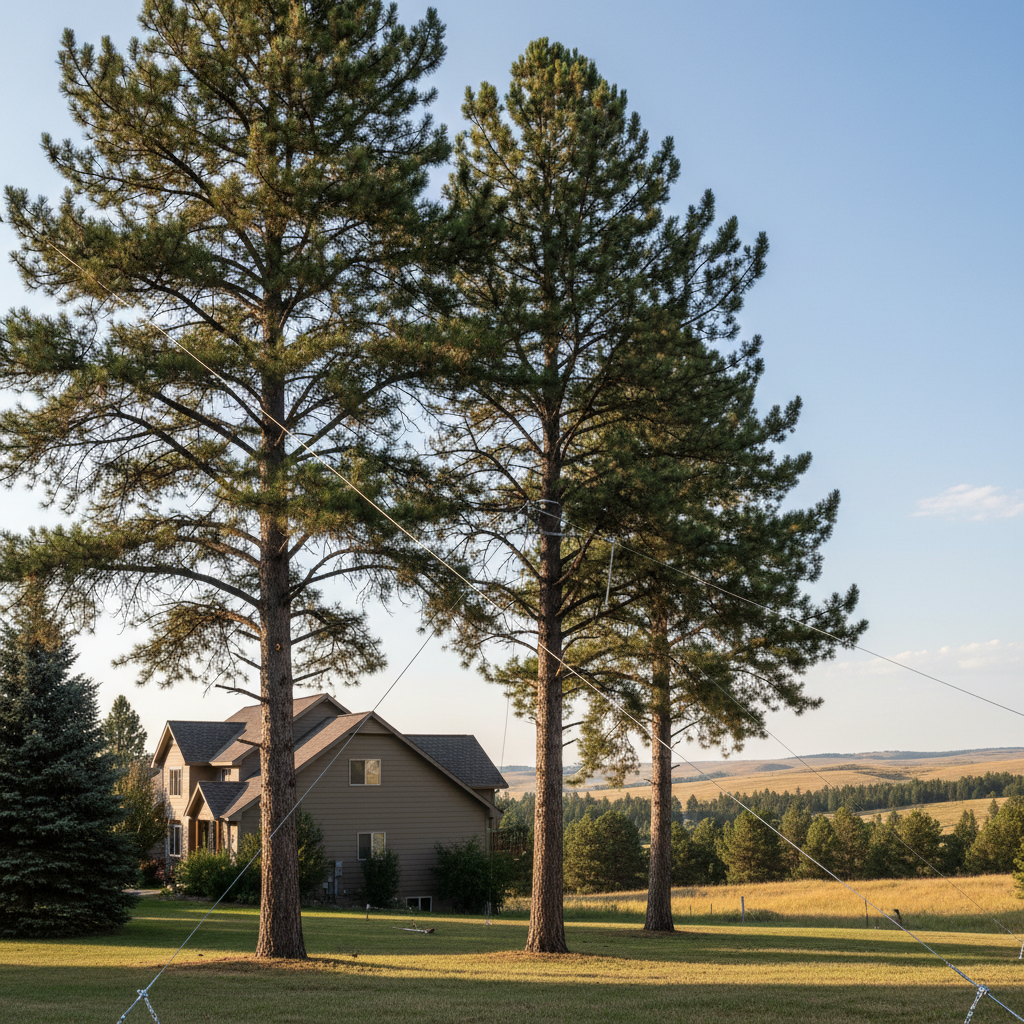
You've got a tree on your property, maybe a big old cottonwood or a beautiful Ponderosa pine, and you've noticed some weak spots. Maybe a branch looks like it's splitting, or the whole tree seems to be leaning a bit too much for comfort. That's where tree cabling and bracing comes in. It's not about cutting down your beloved tree; it's about giving it the support it needs to stay strong and safe for years to come. Think of it like putting a cast on a broken arm, but for a tree.
Understanding the Timeline for Your Project
So, you've decided to get some cabling or bracing done. What's the timeline look like? It's not an instant fix, but it's usually not a months-long ordeal either. First off, you'll need an assessment. A good arborist, like us at Laurel Tree Solutions, will come out, take a look at your tree, and figure out exactly what kind of support it needs. This usually happens pretty quick, often within a week or two of your call, depending on how busy we are.
Once you've got the assessment and an estimate, you'll want to review it. Don't rush this part. Ask questions. Then, if you're good to go, you'll schedule the work. This is where the weather in Laurel can play a role. We don't want to be up in a tree during a blizzard or a major windstorm, for obvious reasons. So, scheduling might be a few weeks out, especially during peak seasons like late spring or early fall when everyone's thinking about their trees. The actual work itself? For most residential projects, it's usually a day or two. Big, complex jobs might take longer, but we'll let you know upfront.
What to Expect During the Process
When the crew shows up, they'll have all the specialized gear. We're talking ropes, harnesses, chainsaws (for any necessary pruning beforehand), drills, and all the cabling and bracing hardware. They'll set up safety zones around the tree, so you'll want to keep kids and pets clear of the area. It's a construction zone, essentially.
The arborists will climb the tree, often using ropes and harnesses for safety and to get to those high, tricky spots. They'll install the cables, which are usually high-strength steel strands, between weak or codominant stems to reduce stress. Bracing involves installing rigid steel rods through limbs or trunks to provide more direct support where there's a split or crack. It's precise work, and it takes a trained eye to know exactly where to place everything for maximum effectiveness without harming the tree.
You'll hear drilling, maybe some sawing if they're doing any corrective pruning. It's not a quiet job, but it's efficient. We'll clean up all the debris, so you won't be left with a mess. Our goal is to leave your property looking better than we found it, with a safer, stronger tree.
How to Prepare Your Property
Preparing for this kind of project is pretty straightforward. First, clear the area directly under and around the tree. Move any patio furniture, grills, garden ornaments, or anything else you don't want getting dusty or in the way. If you have a dog run or a sandbox, make sure it's out of the work zone.
If we're working near a fence or a shed, let us know if you have any concerns. We're careful, but it helps to know what's important to you. Make sure we have clear access to the tree. If you've got a locked gate, just let us know how we can get in. Also, if you have underground sprinklers or invisible dog fences near the tree, point them out. While we're mostly working up in the air, it's good to be aware of anything buried.
Finally, if you've got specific questions or concerns about a particular branch or a part of the tree, don't hesitate to point it out to the crew foreman when they arrive. Communication is key, and we want you to feel comfortable with what's happening.
Questions to Ask Before Signing a Contract
Before you commit to any work, you've got to ask the right questions. This isn't just about price; it's about making sure you're getting quality work from a reputable company. Here are a few I'd recommend:
- Can you provide proof of insurance? This is non-negotiable. You want to make sure they have liability insurance and workers' compensation. If something goes wrong, you don't want to be on the hook.
- Are your arborists certified? Look for ISA Certified Arborists. It means they've got the training and knowledge to do the job right.
- What specific type of cabling or bracing do you recommend, and why? They should be able to explain the different systems (dynamic, static, bracing rods) and justify their choice for your tree's specific issues.
- What's included in the price? Make sure the estimate covers everything: labor, materials, cleanup, and disposal. No hidden fees.
- How long do you expect the work to take? Get a clear timeframe so you know what to expect.
- What's your cleanup process? A good company will leave your yard tidy.
- Do you offer any warranty on your work or materials? Some companies might.
- Can you provide references from other homeowners in the Laurel area? It's always good to hear from folks who've used their services.
Asking these questions will help you feel confident in your choice. You're investing in the health and safety of your property, so take your time and pick the right folks for the job. We're here to help keep our Laurel trees healthy and strong.