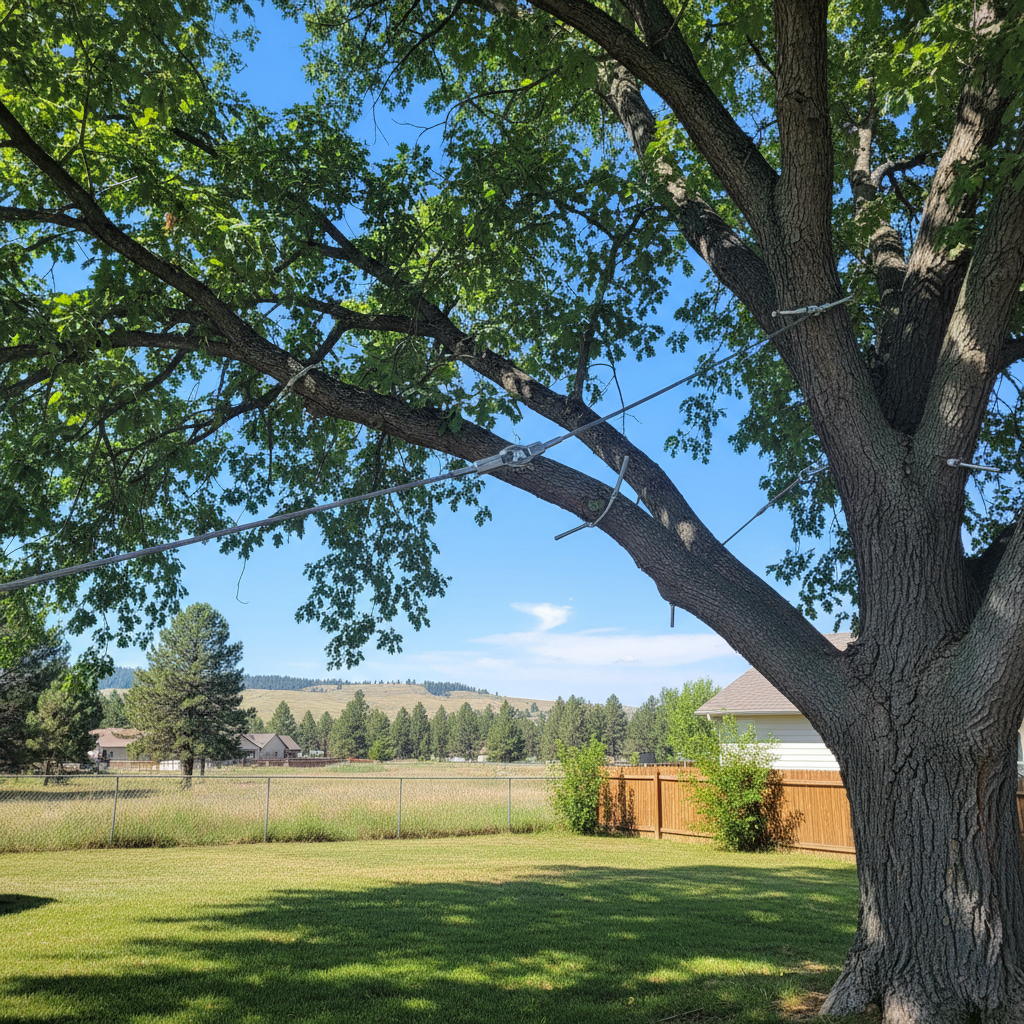
So, you've got a tree that's been cabled or braced. Maybe it's an old cottonwood with a split trunk, or a big elm with some weak crotches that needed a little help. Good for you! You've taken a proactive step to keep that tree healthy and safe, protecting your property and the folks who live or visit there. But here's the thing: cabling and bracing aren't a 'set it and forget it' kind of deal. They're like any other structural support – they need a little love and attention to keep doing their job right, especially with the wild weather we get here in Laurel.
Extending the Life of Your Tree's Support System
You want that cabling or bracing to last as long as possible, right? The key is understanding what it's designed to do and what can wear it down. Most systems use high-strength steel cables or rods, sometimes with specialized hardware. These materials are tough, but they're not invincible. The biggest enemy? Movement and friction. Every time that tree sways in a strong wind, those cables are working. Over time, that constant tension and slight movement can cause wear where the cable meets the tree, or where different parts of the system connect.
You'll also want to make sure the tree itself stays healthy. A weak tree, even with support, is still a weak tree. Proper watering, especially during dry spells, and occasional fertilization can make a big difference. If the tree's health declines, the wood around the cables can weaken, making the whole system less effective. Think about our dry summers and how much stress that puts on trees – keeping them hydrated helps them stay strong enough to support the hardware.
Regular Maintenance: What You Need to Look For
I tell all my clients, including folks down by the Yellowstone River where the soil can be a bit sandier and trees grow fast, to give their cabled trees a good once-over at least once a year. Spring is usually a good time, after the leaves are out but before things get too thick. Here's what I'm looking for, and what you should be too:
- Cable Tension: Are the cables still taut? They shouldn't be sagging. If they're loose, it means they're not doing their job.
- Hardware Condition: Check the bolts, thimbles, and eye-lags. Are they rusted? Are they pulling out of the tree? Is the cable frayed where it goes through the hardware?
- Tree Growth Around Hardware: This is a big one. Trees grow, and they'll grow around and sometimes even over the hardware. You need to make sure the tree isn't 'girdling' itself around the cable or rod. The hardware should be snug but not cutting into the bark.
- Branch Rubbing: Look for any branches rubbing against the cables or rods. This can damage both the branch and the support system.
- Overall Tree Health: Any new cracks, dead branches, or unusual leaning? These could indicate the system is failing or the tree has new issues.
It's not rocket science, but it does take a careful eye. You're looking for anything that seems out of place or worn.
Warning Signs That Something's Wrong
If you see any of these, don't wait. Call a professional:
- Sagging or Loose Cables: This is probably the most obvious sign. If the cable isn't tight, it's not providing support.
- Cracked or Split Wood Near Hardware: If the wood around where the cable or rod is anchored starts to crack or split, that attachment point is failing.
- Hardware Pulling Out: If you see the eye-lag or bolt visibly pulling out of the tree, that's a critical failure point.
- Excessive Rust: While some surface rust is normal on steel, deep rust that's flaking off can indicate a weakening of the hardware.
- Sudden Leaning or Branch Droop: If the tree or a supported branch suddenly shifts or starts to droop more than usual, the system might have failed.
- New Cracks or Splits: If you notice new cracks forming in the trunk or supported branches, especially near the cabling, it's a sign the tree is under new stress or the support isn't enough.
When to Call a Professional (Like Laurel Tree Solutions)
Look, I'm all for folks taking care of their own property. But when it comes to the structural integrity of a big tree, especially one that could damage your house or hurt someone if it fails, it's best to call in the pros. You should definitely call us if:
- You notice any of the warning signs I just listed.
- You're not sure what you're looking at during your annual inspection.
- The tree has grown significantly and the hardware needs adjustment or relocation.
- There's been a major storm with high winds or heavy snow (which we get plenty of here in Montana) and you want a professional assessment of the system's integrity.
- You're thinking about removing the system – sometimes they're no longer needed, but it's crucial to assess the tree's strength first.
We've got the specialized tools and the experience to safely inspect, adjust, or repair these systems. We know what to look for, and we can climb safely to get a good look at everything. Don't risk climbing up there yourself, especially on a potentially compromised tree. Your safety, and the tree's health, are worth a phone call to Laurel Tree Solutions.