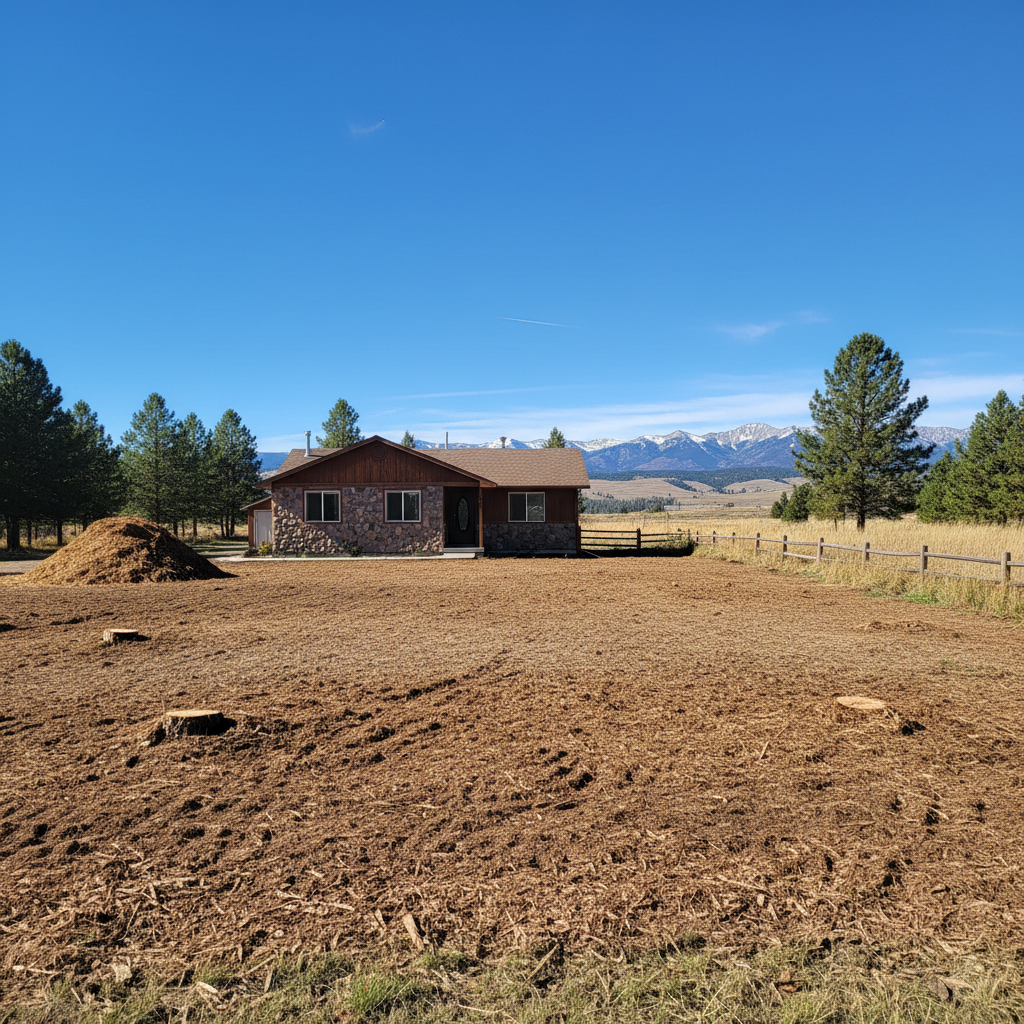
You've got a vision, right? Maybe it's a new garden, a bigger yard, or finally getting rid of that overgrown mess behind the garage. Land clearing sounds straightforward, but I've seen folks in Laurel make some real head-scratchers that turn a simple project into a nightmare. Let's talk about what you need to avoid.
Mistake #1: Skipping the Permits (and Local Rules)
This is probably the biggest one, and it's a trap I see people fall into all the time. You might think, "It's my land, I can do what I want!" And while that's true to a degree, the city of Laurel and Yellowstone County have rules. Especially if you're dealing with larger acreage, wetlands, or even just significant tree removal, you're likely going to need a permit. Ignoring this can lead to fines, stop-work orders, and having to undo work you've already paid for. Always check with the city planning department or county offices first. It's not just about trees; sometimes it's about water runoff, soil erosion, or even historical preservation depending on your property.
Mistake #2: Underestimating the Scope (and the Debris)
You look at a patch of brush and think, "That's a weekend job." Then you start cutting, and suddenly you've got a mountain of branches, stumps, and dirt. Land clearing isn't just about cutting things down; it's about what you do with the material afterward. Are you chipping it? Hauling it away? Burning it (and do you have a burn permit for that, especially during fire season around here)?
I've seen properties near the Yellowstone River where the soil is surprisingly rocky, and what looked like a simple shrub removal turned into a much bigger excavation job because of all the buried rocks and old roots. Always factor in the disposal of debris. That's a significant part of the cost and labor, and it's often overlooked.
Mistake #3: Hiring the Cheapest Bid Without Asking the Right Questions
I get it, everyone wants a good deal. But when it comes to land clearing, the cheapest bid can often be the most expensive in the long run. Here's what you need to ask:
- Are they insured? This isn't just a formality. If someone gets hurt on your property or damages something, you want their insurance to cover it, not yours.
- Do they have the right equipment? A guy with a chainsaw and a pickup truck might be fine for a small job, but for serious clearing, you need proper machinery – skid steers, excavators, chippers.
- What's their plan for debris? Get it in writing. Will they chip it on-site? Haul it away? Leave it in a pile for you?
- Can they provide references? Talk to other homeowners they've worked for.
- Are they local? Someone from out of town might not understand Laurel's specific regulations or soil conditions.
At Laurel Tree Solutions, we always make sure we're transparent about our process and what's included. You shouldn't have to guess.
Mistake #4: Not Thinking About the Aftermath
Okay, so the land is clear. Now what? Many homeowners don't consider what they'll do with the newly cleared land. If you don't have a plan, you might end up with a muddy, eroded mess, especially with our spring thaws and heavy rains. Are you planting grass? Building something? You might need to bring in topsoil, grade the land, or put down erosion control measures. Clearing the land is just step one; preparing it for its next purpose is just as important.
Think about drainage too. You don't want to clear an area only to find out it now funnels all the rainwater directly into your basement. A good contractor will discuss these things with you upfront.
Mistake #5: Ignoring Underground Utilities
This is a big one. Before any digging or heavy machinery comes onto your property, you absolutely must call 811. It's free, and they'll mark all the underground utility lines – gas, water, sewer, electrical, communication. Hitting one of these lines isn't just expensive; it can be incredibly dangerous. Don't let a contractor start work without seeing those utility marks.
Land clearing can be a fantastic way to improve your property, but it's not a project to jump into blindly. Do your homework, ask the tough questions, and make sure you're working with someone who knows what they're doing. It'll save you a lot of grief in the long run.