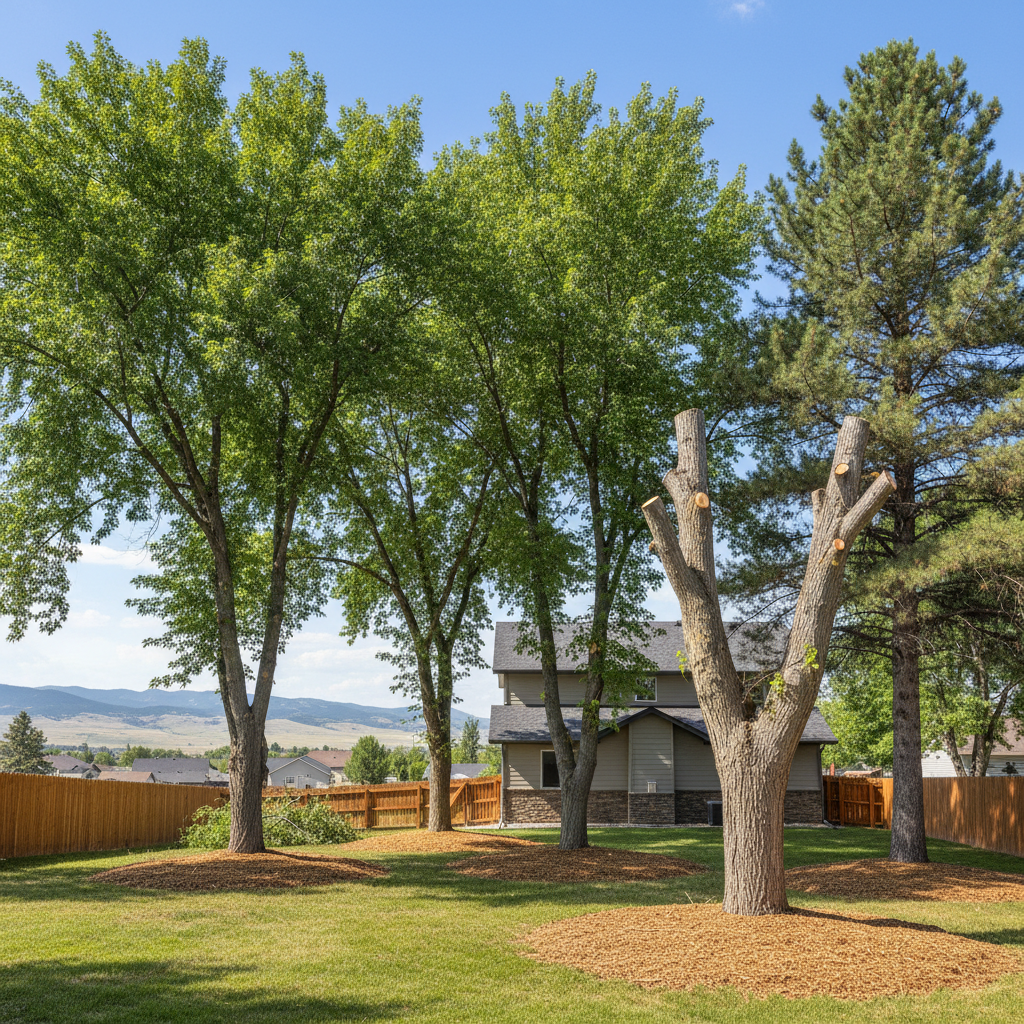
Your trees are an investment, plain and simple. They add value, shade, and beauty to your property. But just like anything else, they need regular attention, especially here in Laurel where we get those wild swings from scorching summers to brutal winters. You want your trees to live a long, healthy life, right? Well, it doesn't just happen by itself.
Extending the Life of Your Tree Work
So you've had some work done – maybe a big limb removed, some pruning, or even a new tree planted. How do you make sure that investment pays off for years? It's mostly about follow-through. If we've pruned a tree, don't go trying to 'finish the job' yourself a month later. You could undo all the careful cuts we made for structure and health. If we planted a tree, make sure it gets enough water, especially in its first few years. That means consistent, deep watering, not just a sprinkle. Our dry, often windy springs and falls can really dehydrate young trees quickly, even after a good snowmelt. Think about it like this: we set the stage, but you're responsible for the daily care.
What Regular Maintenance Looks Like
This isn't rocket science, but it does take consistency. Here's what I recommend for folks around Laurel:
Watering: This is huge, especially for younger trees or during dry spells. Deep watering is key. You want the water to soak down into the root zone, not just wet the surface. For established trees, a good soak once a week during dry periods is better than a daily sprinkle. For new trees, maybe two or three times a week, depending on the heat.
Mulching: A 2-4 inch layer of organic mulch (like wood chips) around the base of your trees is a game-changer. Keep it a few inches away from the trunk itself. This helps retain soil moisture, regulates soil temperature, and suppresses weeds. It's like a cozy blanket for your tree's roots.
Pruning (Carefully!): You can handle light pruning yourself – removing dead, diseased, or broken branches. Just make sure you're using clean, sharp tools and making proper cuts. Don't go topping your trees or trying to radically reshape them. That's when you call in Laurel Tree Solutions. We know how to prune for health, safety, and aesthetics without hurting the tree.
Inspecting: Just walk around your trees once in a while. Look at the leaves, the bark, the overall shape. Catching problems early makes a big difference.
Warning Signs of Trouble
Your trees usually tell you when something's wrong, you just have to know what to look for. Don't ignore these:
Discolored or Wilting Leaves: If leaves are turning yellow or brown out of season, or if they're wilting when they shouldn't be, that's a red flag. Could be drought stress, disease, or pests.
Sudden Leaf Drop: Losing a lot of leaves quickly, especially in summer, is definitely not normal.
Dead Branches: If you see whole sections of branches with no leaves, or leaves that are clearly dead, that part of the tree is compromised. These can become hazards.
Cracks or Cankers on the Trunk/Branches: Deep cracks, peeling bark, or sunken, discolored areas (cankers) can indicate disease or structural weakness.
Fungus/Mushrooms: Fungi growing on the trunk or at the base of the tree often mean there's internal decay happening.
Pest Evidence: Look for sawdust, holes in the bark, sticky residue, or visible insects. We've got our share of pests around here, from borers to aphids.
Leaning or Heaving Soil: If a tree starts to lean significantly, or the soil around its base is heaving up, that's a major sign of root failure and a potential fall risk.
When to Call a Professional
Look, I'm all for homeowners doing what they can. But some jobs are just too big, too dangerous, or too technical for a DIY approach. Here's when you should pick up the phone and call Laurel Tree Solutions:
Large Branch Removal: Anything that requires climbing, a chainsaw, or is near power lines. Seriously, don't risk it. I've seen too many accidents.
Tree Removal: This is a job for pros, especially for mature trees. Our clay soils can make root systems surprisingly unstable in high winds, even for trees that look healthy.
Significant Pruning: If you're looking to improve the structure, reduce the size, or clear branches away from a house or wires, you need someone who understands tree biology and proper cutting techniques.
Disease or Pest Diagnosis: If you're seeing those warning signs and aren't sure what's going on, we can diagnose the problem and recommend treatment. Early intervention can save a tree.
Storm Damage: After a big wind or ice storm, call us. We can safely assess and remove damaged limbs or entire trees.
Planting Large Trees: Getting a big tree off to the right start is crucial. We can help with proper selection, planting, and initial care.
Taking care of your trees isn't just about making your yard look good; it's about protecting your property and ensuring the long-term health of your landscape. A little bit of attention goes a long way. If you're ever in doubt, just give us a shout. We're here to help.