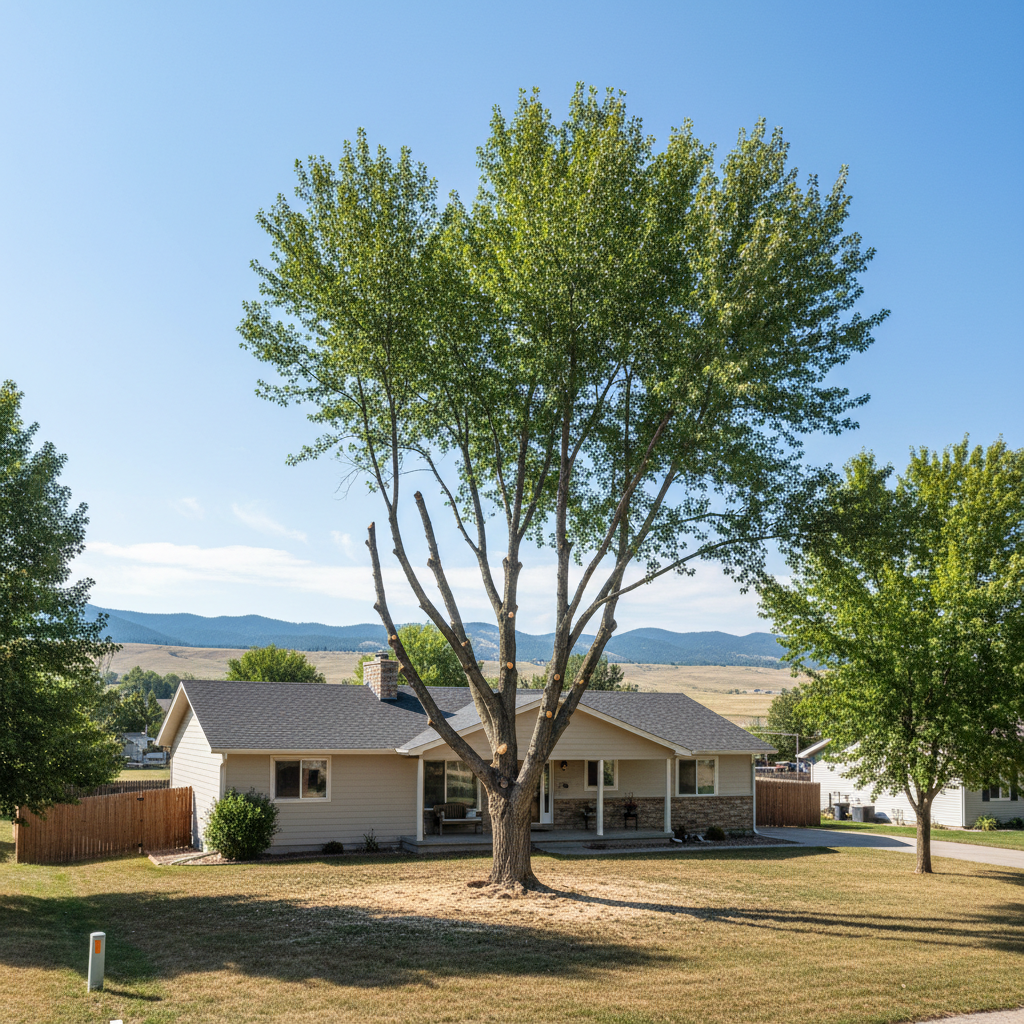
Is your tree looking a little… shaggy? Or maybe you've got a branch scraping your roof every time the wind kicks up? You're probably thinking about pruning, and that's a smart move. But it's not just about making things look tidy; proper tree pruning is vital for the health of your trees and the safety of your property here in Laurel.
Why Pruning Matters More Than You Think
I've been working with trees around Laurel for years, and I've seen a lot. Folks often think pruning is just for looks, like giving your hair a trim. While it certainly helps with curb appeal, the real benefits go much deeper. We're talking about preventing disease, encouraging strong growth, and keeping your family and home safe.
- Health: You wouldn't leave a cut on your arm open to infection, right? Same goes for trees. Removing dead, diseased, or damaged branches prevents problems from spreading to the rest of the tree. It's like preventative medicine.
- Structure: Ever seen a tree split down the middle after a heavy snow? That often comes from poor branch structure. Good pruning helps develop strong branch angles and removes competing leaders, making the tree more resilient.
- Safety: This is a big one, especially with our unpredictable Montana weather. Dead branches, weak limbs, or those growing too close to power lines or your house are accidents waiting to happen. A good prune can eliminate these hazards before they cause real damage.
- Airflow & Light: Dense canopies can block sunlight from reaching your lawn or garden, and they can also create a damp, stagnant environment that's perfect for fungal growth. Thinning out the canopy improves air circulation and lets more light through, benefiting both the tree and what's underneath it.
Local Laurel Conditions & Your Trees
You can't just prune a tree the same way everywhere. What works in, say, Florida, isn't going to cut it here in Laurel. We deal with some specific challenges that make local expertise crucial.
For starters, our winters can be brutal. Heavy snow and ice storms are common, and they put a lot of stress on trees. If you've got weak or poorly structured branches, they're much more likely to break under that weight. I've seen plenty of snapped limbs after a good blizzard, especially on older cottonwoods around the Main Street area that haven't been properly maintained.
Then there's the wind. We get some serious gusts rolling through here, especially in the spring and fall. A tree with too much sail area – meaning a dense, unthinned canopy – is more susceptible to wind damage, or even uprooting. Proper thinning helps the wind pass through the canopy, reducing the stress on the tree's structure.
Soil conditions can also play a role. Some of the older neighborhoods, particularly those with established elm and ash trees, might have more compacted soil or different nutrient profiles. This can affect tree health and how they respond to pruning. Knowing these local nuances helps us make the right cuts at the right time.
Common Pruning Projects I See
Around Laurel, I get calls for a few common types of pruning:
- Deadwood Removal: This is probably the most frequent request. It's essential for safety and tree health. Dead branches can fall at any time, and they're also an open invitation for pests and diseases.
- Crown Thinning: We do a lot of this to improve light penetration and air circulation. It reduces wind resistance and helps the tree maintain a healthy, open structure.
- Crown Raising: This means removing lower branches to provide clearance for pedestrians, vehicles, or buildings. It's common for trees over sidewalks or driveways.
- Hazard Pruning: This is all about safety. We're looking for branches that pose an immediate threat – maybe they're over your kid's swing set, or they're rubbing against your power lines. We need to get those out of there safely.
When to Prune and Who to Call
Generally, the dormant season (late fall to early spring, when the leaves are off) is the best time for most heavy pruning. The tree is less stressed, and you can clearly see the branch structure. However, there are exceptions, like removing dead or hazardous branches, which can be done any time of year.
Here's the deal: tree pruning isn't just about grabbing a saw. It requires knowledge of tree biology, proper cutting techniques, and an understanding of how different species respond. A bad cut can do more harm than good, opening the door to disease or creating structural weaknesses that will cause problems down the line.
That's why calling in a professional who understands trees – and specifically, trees in our Laurel environment – is so important. We've got the right tools, the experience, and the training to do the job safely and effectively. We know what to look for, from subtle signs of disease to potential structural issues that might not be obvious to an untrained eye.
If you're looking at your trees and wondering what they need, don't hesitate to reach out. We at Laurel Tree Solutions are always happy to take a look and give you an honest assessment. We're here to help keep your trees healthy and your property safe.