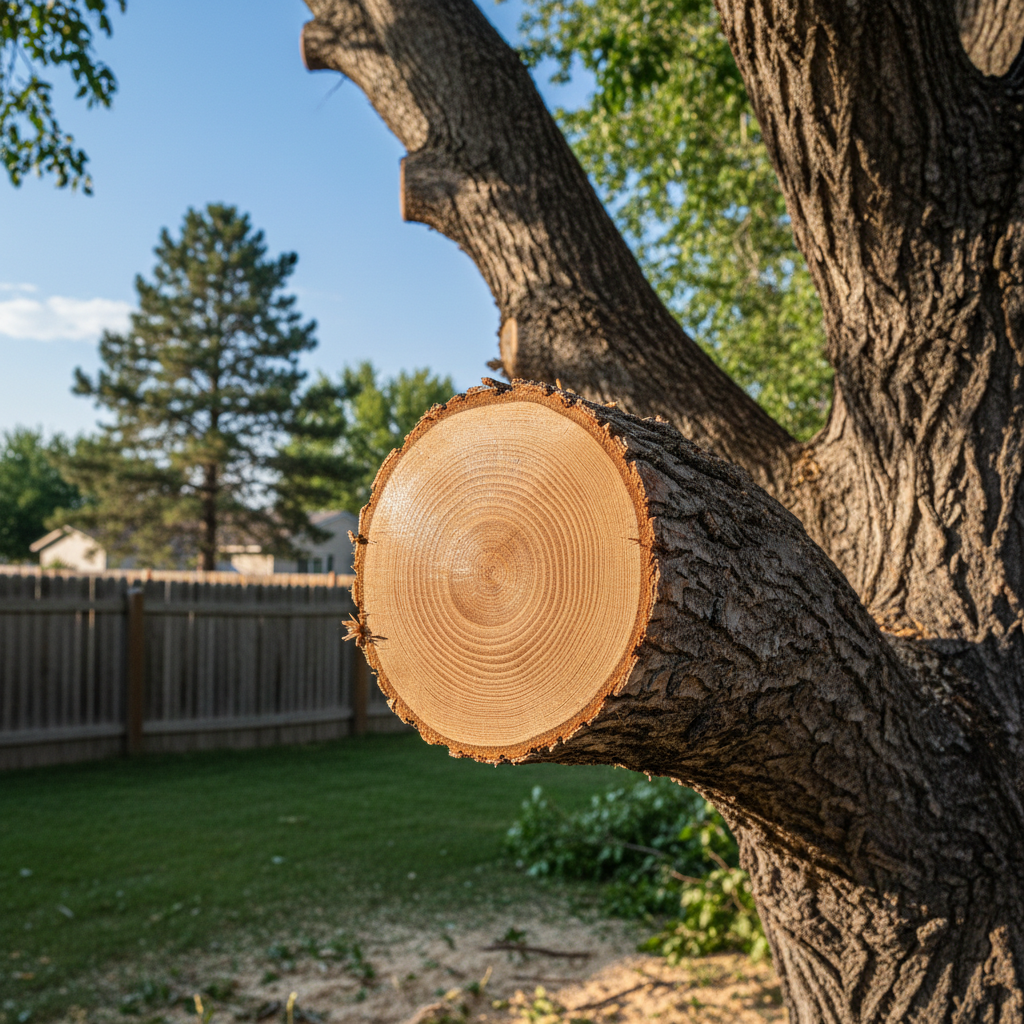
Before You Even Think About Trimming
Alright, let's talk about tree trimming. Every spring, I see folks out there with ladders and saws, and sometimes it just makes me wince. You want your yard looking good, I get it. But there's definitely a right way and a wrong way to go about it, and honestly, the wrong way can be dangerous for you or, worse, deadly for your tree.
First off, pause for a second and ask yourself: why are you even trimming? Are you just tidying up a few dead branches, maybe? Trying to get a bit more sunlight into your garden? Or is a branch scraping against your roof every time the wind picks up, like it does sometimes when those big gusts come roaring down off the Beartooths?
Knowing your 'why' really helps you figure out the 'how' and the 'who.' If it's just a small, easily reachable dead branch, hey, maybe you can handle it. But if you're looking at something bigger, higher, or, heaven forbid, near power lines, you need to stop right there and think. Seriously.
Here's what I always tell people to consider before they even pick up a tool:
- Safety First, Always: Are you truly comfortable on a ladder? Do you have the right safety gear – gloves, eye protection, a hard hat maybe? Can you reach the branch without stretching too far or losing your balance? Falling from a ladder, especially with a saw in your hand, is absolutely no joke. We've seen too many close calls.
- Tree Health: Do you actually know what you're cutting? Cutting the wrong branch, or cutting it incorrectly, can really stress the tree, open it right up to disease, or even kill it. You definitely don't want to turn a healthy, beautiful tree into a hazard.
- Tools: Do you have the proper tools for the job? A small hand pruner is fine for twigs, sure. But anything bigger, you're looking at loppers, pole pruners, or even a chainsaw. And chainsaws? Those things demand respect and proper training. They're not toys.
- Power Lines: This is a big one, folks. Any branch within 10 feet of a power line is absolutely, unequivocally a job for the utility company or a professional arborist. Do not, under any circumstances, try to trim near power lines yourself. It's simply not worth your life.
If you're unsure about any of these points, that's your first clear sign to call someone like us at Laurel Tree Solutions. It's what we're here for.
During the Trimming: What You Might Tackle (and What You Shouldn't)
Okay, so you've assessed the situation, and you've got a few small, dead, or crossing branches that are well within reach from the ground or a very stable, short ladder. You've got sharp, clean hand pruners or loppers. Here's what you can realistically do without calling in the cavalry:
- Remove Deadwood: If a branch is clearly dead (no leaves, brittle, often discolored), and it's small enough to cut with hand pruners or loppers from the ground, go for it. Cut it back to the branch collar – that slightly swollen area where the branch meets the main trunk or a larger branch. Don't cut flush with the trunk; that actually damages the tree's ability to heal itself.
- Clear Rubbing Branches: Sometimes two branches grow too close and rub against each other, creating wounds in the bark. If you can easily reach one of these branches, remove the weaker or less desirable one. Again, cut back to a main branch or the branch collar.
- Small Suckers and Water Sprouts: These are those fast-growing, often vertical shoots that pop up from the base of the tree or along branches. They're usually weak and don't contribute much to the tree's structure, so you can just snip these off close to their origin.
Now, here's what you absolutely should NOT tackle yourself, even if you think you're pretty handy:
- Large Branches: Anything thicker than your wrist, especially if it's high up. These branches are heavy, really heavy, and if they fall unexpectedly, they can cause serious injury or damage to property. Plus, making a proper cut on a large branch requires specific techniques (like a three-cut method) to prevent bark tearing.
- Anything Requiring a Chainsaw (for most homeowners): Unless you're trained and experienced with a chainsaw, leave this to the pros. They're powerful, dangerous tools, and frankly, a lot of people just aren't ready for them.
- Branches Overhanging Structures: If a branch is over your house, garage, or even your neighbor's fence, and it's big enough to cause damage if it falls, don't risk it. That's a job for someone with the right equipment and insurance.
- Branches Near Power Lines: I'm repeating this because it's that important. Stay away. Just stay away.
- Anything That Changes the Tree's Overall Shape Significantly: Major structural pruning, crown reduction, or thinning out the canopy requires a deep understanding of tree biology and growth patterns. You can easily unbalance a tree or harm its long-term health if you don't know what you're doing.
After the Cut: What to Look For
So, you've made your cuts, or you've had a professional do the heavier lifting. What now? What comes next?
For the cuts you made yourself, just keep an eye on them. The tree will naturally start to form a callus over the wound. You shouldn't put any 'tree wound dressing' or paint on it; that actually hinders the tree's natural healing process, believe it or not. Just let it do its thing.
If you hired a pro, they'll usually clean up all the debris. If you did some small work, make sure you dispose of the branches properly. Laurel has options for yard waste, so don't just leave a big pile in your alley, okay?
Pay attention to the tree in the weeks and months following the trim. Look for signs of stress, like excessive leaf drop, wilting, or unusual growth. If you see anything concerning, it might be a good time to call an arborist for a check-up. Sometimes, a tree can react unexpectedly to even minor pruning if it's already under stress from drought or disease.
The goal is always to keep your trees healthy and your property safe. Don't be a hero with a saw; know when to call in the experts. It's often cheaper in the long run than dealing with a damaged house or, worse, a trip to the ER. I've seen it too many times. Stay safe out there. If you're ever in doubt, just give us a shout at Laurel Tree Solutions. We're happy to give you an honest opinion on what your trees need.